


Parting and grooving tools, end-to-end
Cut-off bars, slot grooves, retain rings, separate finished parts — all on the same machine setup. Our parting and grooving lineup covers parting (cut-off), external grooving, internal grooving and face grooving. Square-shank holders, round boring bars, deep-cut self-grip blades, and a complete carbide insert grade matrix.
Coverage is built around the industry-standard MGMN insert family (1.5 mm to 6 mm), the matching MGEHR / MGEHL external holders and MGIVR / MGIVL internal boring bars, plus Iscar self-grip GTN blades for deep cut-off and Sandvik N123 / CoroCut inserts for stainless and superalloys.
Featured parting & grooving tools
Holders, boring bars, blades and inserts — matched widths and grades, ready to ship from our UAE warehouse.
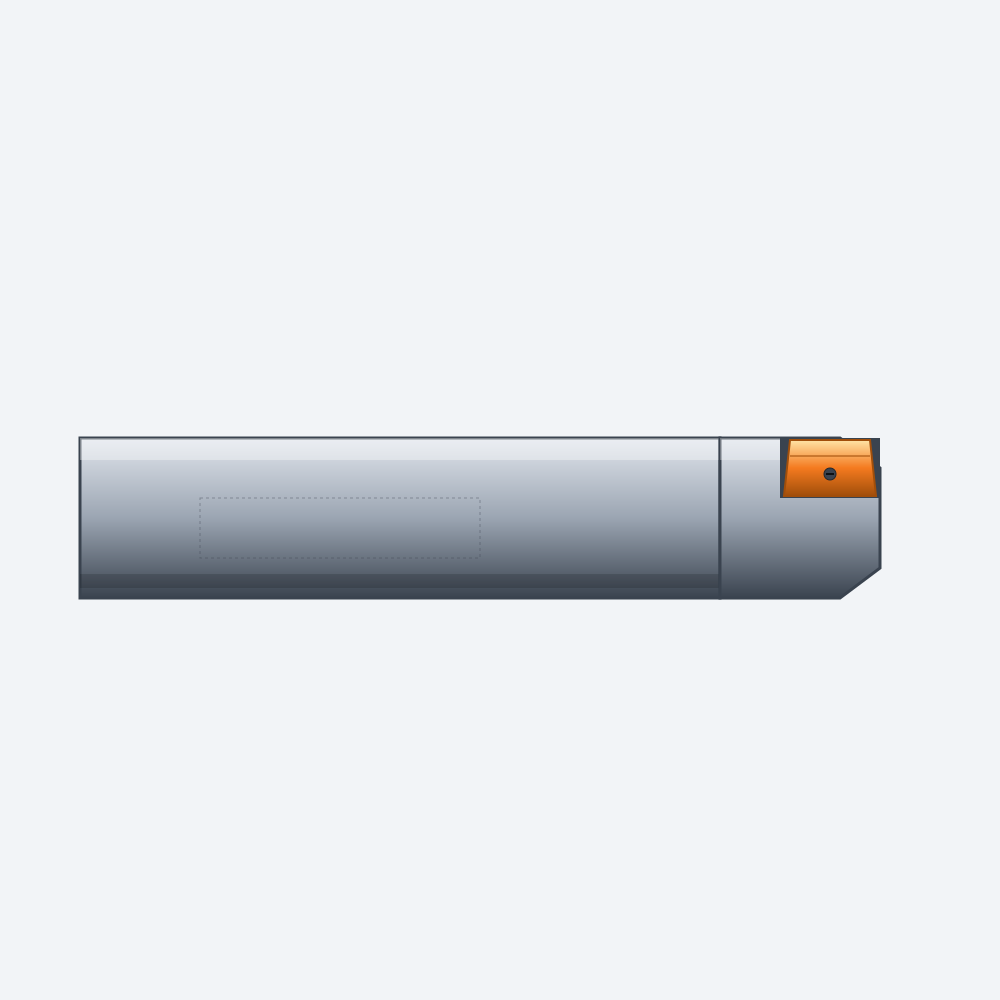
MGEHR2020-3 External Grooving / Parting Holder RH
Square-shank 20×20 mm holder for MGMN300 inserts. The workhorse for OD parting and shallow grooving on standard lathes.
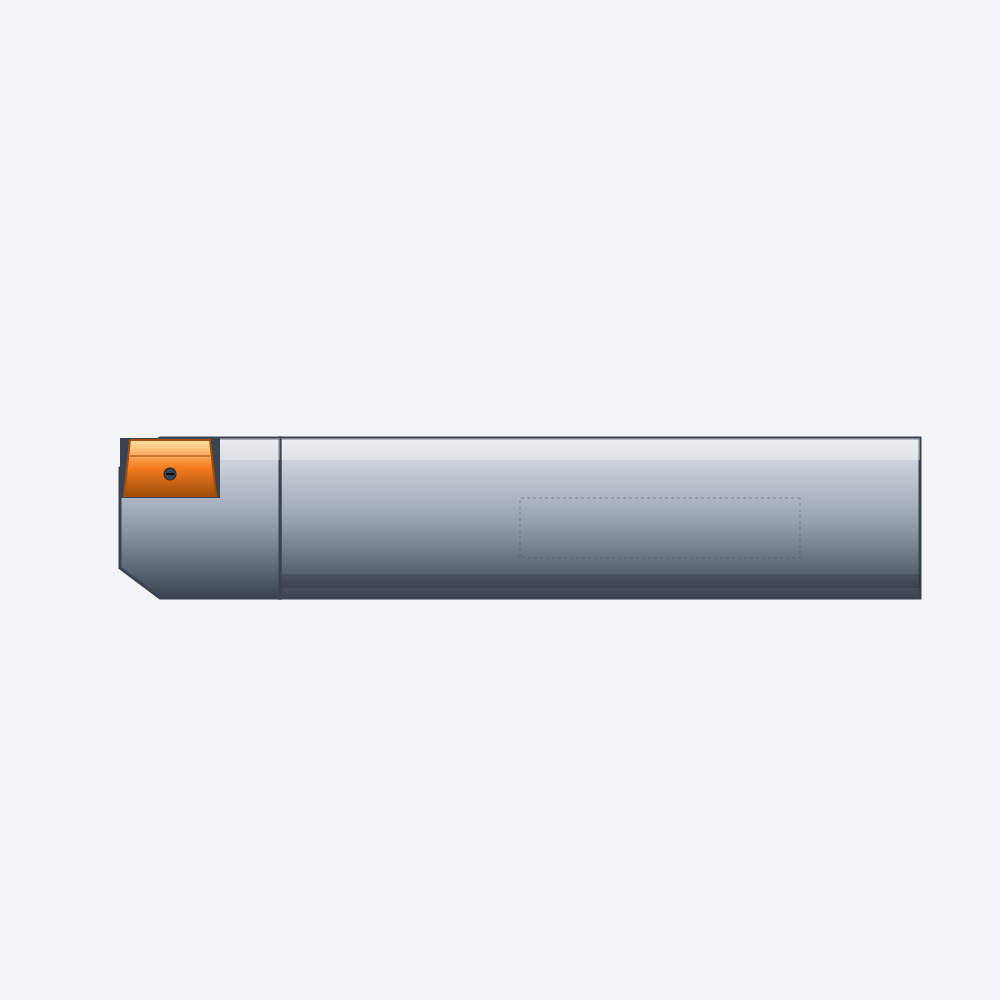
MGEHL2020-3 External Grooving / Parting Holder LH
Left-hand mirror of the MGEHR — for rear-mount or back-side parting on twin-turret CNC lathes. MGMN300 width.
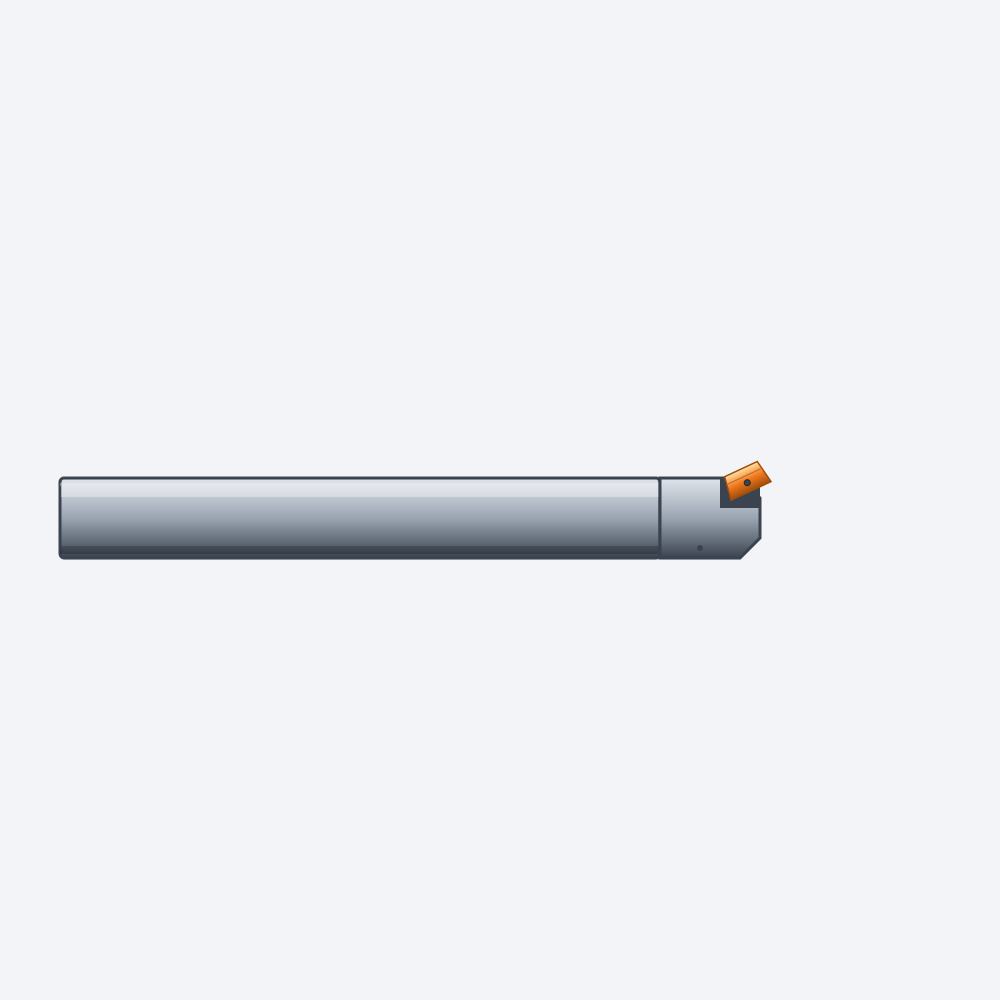
MGIVR2520-3 Internal Grooving Boring Bar RH
25 mm shank boring bar for ID grooves down to ~32 mm bore. O-ring slots, retaining-ring grooves and shoulder reliefs inside the part.

Self-Grip Deep Parting Blade 32 mm
High-rigidity self-clamping blade — snap the GTN-style insert in. Cuts up to 32 mm depth in one pass.
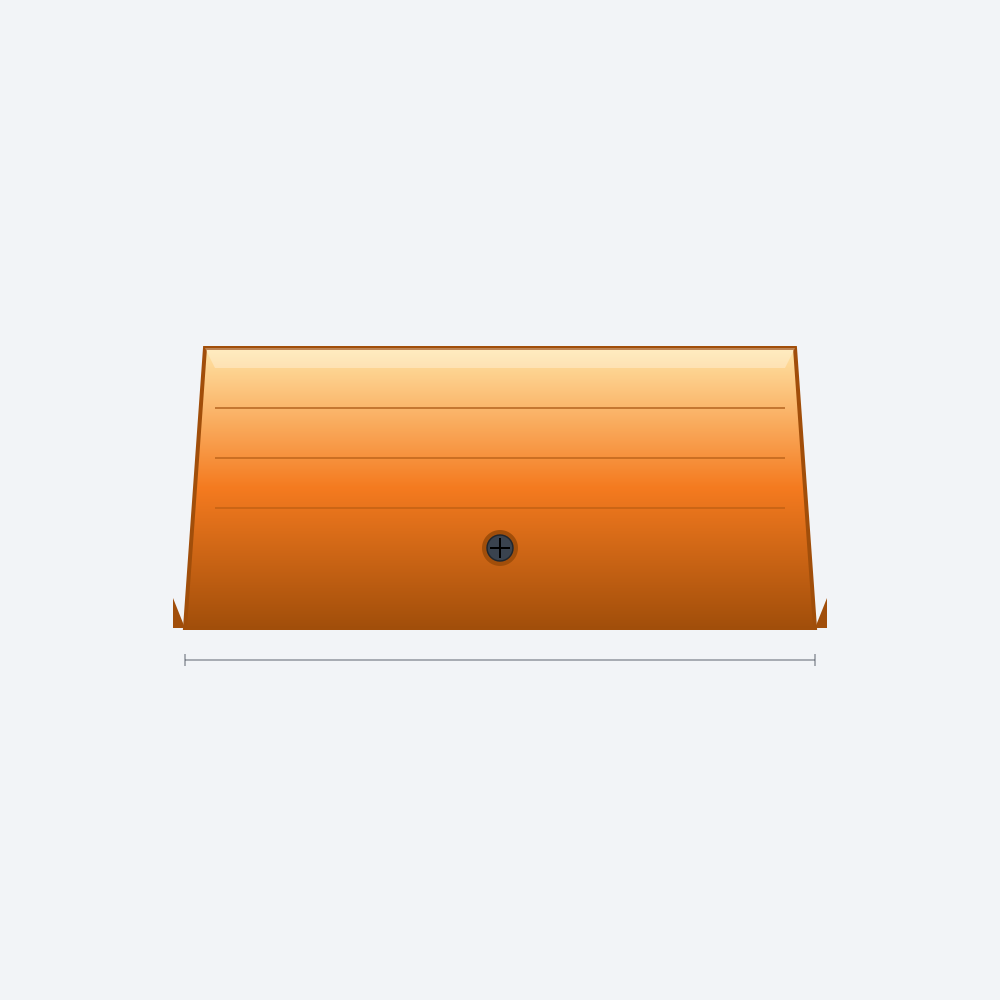
MGMN150-G PC9030 Carbide Parting Insert
1.5 mm narrow-kerf insert — minimum material loss when parting small-diameter bar. PC9030 PVD coating, double-ended.

MGMN200-G PC9030 Carbide Parting Insert
The most widely used parting width — 2 mm. Double-ended PC9030 PVD-coated grade for steel and stainless on bars under 30 mm diameter.
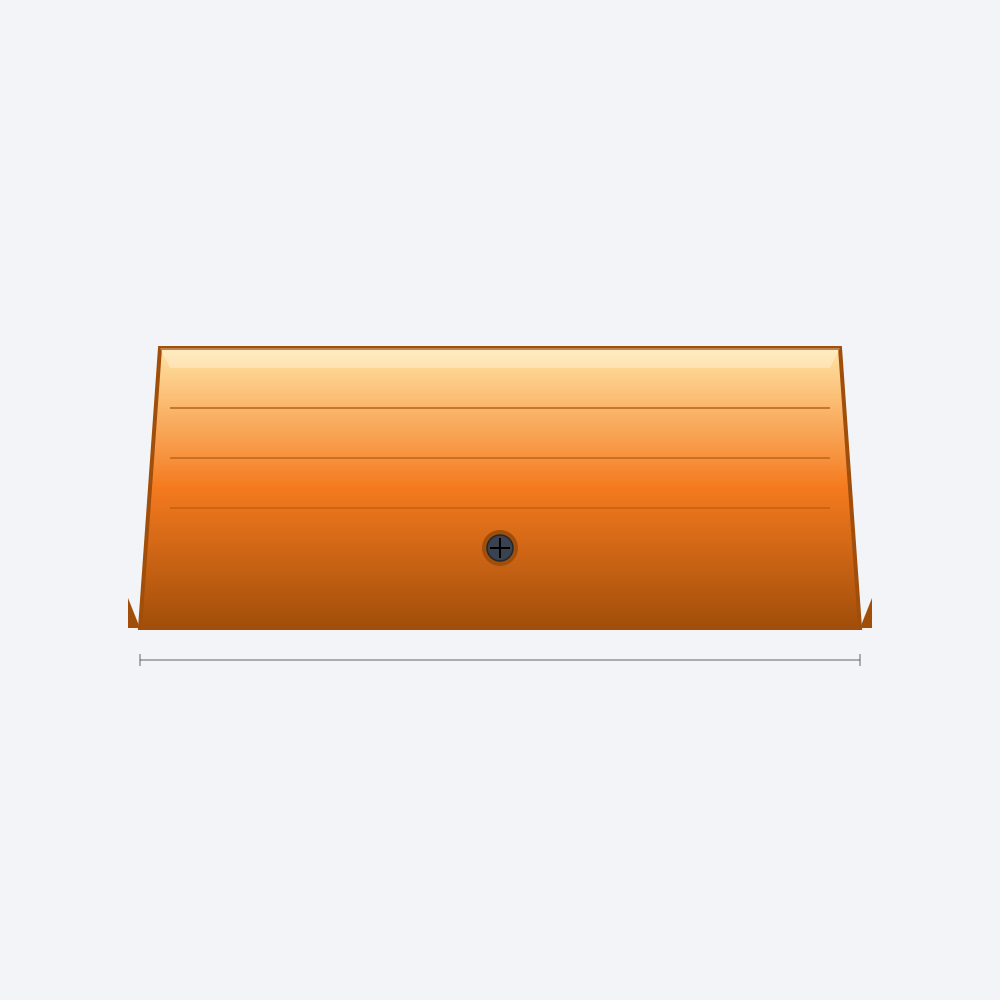
MGMN300-M NC3030 Carbide Parting Insert
3 mm width with NC3030 long-running CVD coating. Heavy parting on 25–60 mm bars, deep external grooves.
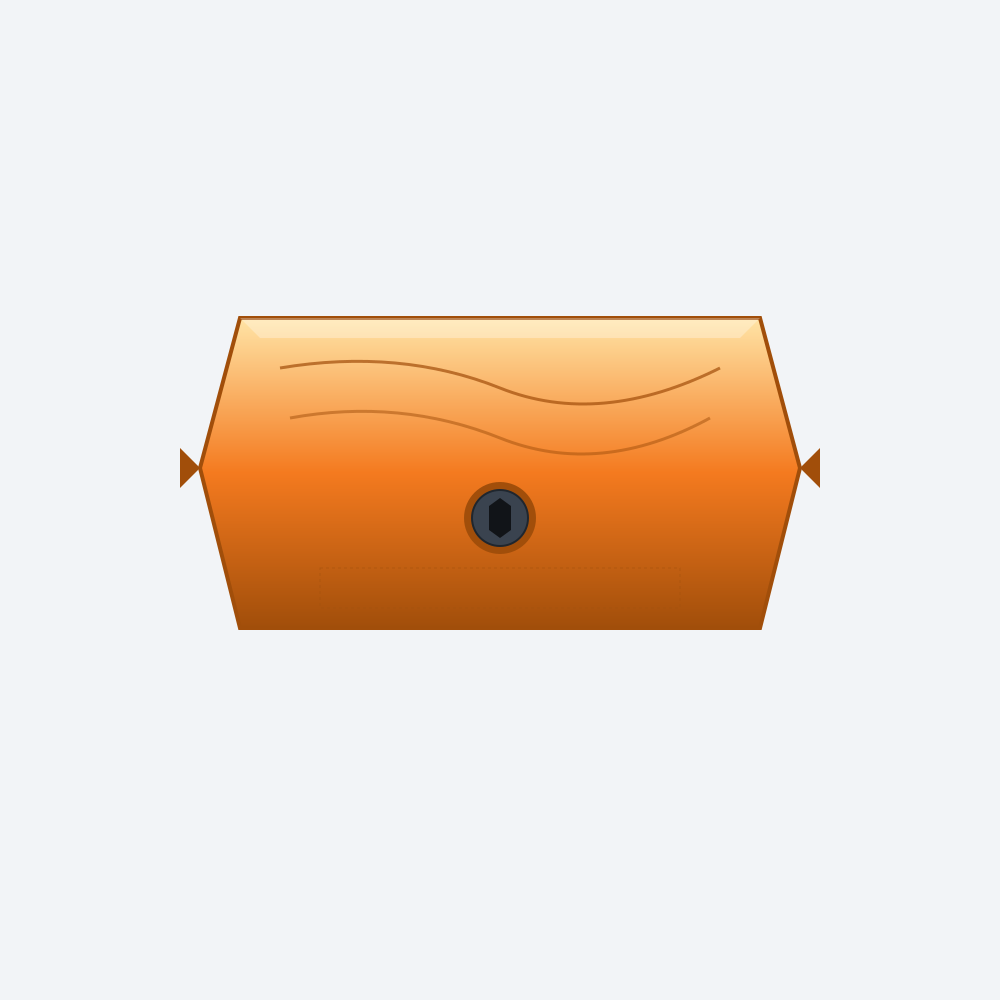
N123 CoroCut Grooving Insert 4 mm 1125
Single-ended CoroCut 1-2 insert for precision grooving in stainless, Inconel and titanium. 4G geometry with positive rake.

Brazed Parting Turning Tool ISO7 P40
Classic brazed-tip parting tool, P40 carbide. Economical for occasional cut-off jobs and manual lathes — sizes 8×8 to 32×20.
Parting / Grooving Insert Decoder
Read an MGMN, MGEH, MGIV or N123 designation in five seconds.
Width & Application Selector
Pick an insert width by the operation you need to run, then match the holder.
| Insert Width | Best Operation | Bar / Bore Diameter | Recommended Holder | Material Suit |
|---|---|---|---|---|
| 1.5 mm | Narrow parting, watch parts | 3–12 mm bar | MGEHR1212-1.5 | Brass, free-cut steel |
| 2 mm | General-purpose parting | 10–30 mm bar | MGEHR2020-2 | Mild + alloy steel, stainless |
| 2 mm | External O-ring groove | OD > 12 mm | MGEHR2020-2 | All steels, brass |
| 3 mm | Heavy parting | 25–60 mm bar | MGEHR2020-3 / GTN deep blade | Steel, stainless, cast iron |
| 3 mm | Internal retain-ring groove | Bore > 32 mm | MGIVR2520-3 | Steel, stainless |
| 3 mm | Face groove (axial) | OD 30 mm+ | MGFHR2020-3 | Steel, brass |
| 4 mm | Wide rectangular slot | OD 30 mm+ | N151.2 / RF123 | Stainless, Inconel, Ti |
| 4–5 mm | Large-diameter parting | 50–100 mm bar | GTN-4 / MGEHR2525-4 | Steel, alloy steel |
| 5 mm | Heavy face grooving | OD 50 mm+ | MGFHR2525-5 | Cast iron, steel |
| 6 mm | Deep grooves, big parts | OD 80 mm+ | GTN-6 deep blade | Steel, large brass |
Real stock in UAE
Korloy, Iscar, Sandvik and Pafana lines warehoused in Sharjah. Most insert widths ship same-day to Dubai and Abu Dhabi.
The full width range
1.5 mm through 6 mm in stock simultaneously. No “we can order it next week” — you pick it up tomorrow.
Application engineer on call
WhatsApp our tooling engineer with a part drawing and we’ll spec the insert + grade + holder combination, in writing.
Workshop pricing, not catalogue
Volume pricing for production shops, single-piece pricing for jobbing shops — quoted by enquiry, with the right grade for the job.
Parting & grooving — common questions
What is the difference between parting and grooving?
Parting (cut-off) separates a workpiece into two by feeding straight in until the bar is cut through. Grooving makes a slot or recess without cutting through. Both use similar MGMN inserts and holders.
Which insert width should I start with for general work?
2 mm (MGMN200) is the safest default. It handles most parting jobs on 12–30 mm bar and cuts standard O-ring grooves. Step down to 1.5 mm for minimum kerf on small bar; step up to 3 mm for bars over 25 mm.
What does the “MGEHR2020-3” code mean?
M = mono-block grooving holder; G = grooving/parting; E = external; H = horizontal feed; R = right-hand; 20×20 = shank cross-section in mm; -3 = insert seat width in mm. So MGEHR2020-3 is an external right-hand holder with a 20×20 mm square shank for 3 mm MGMN inserts.
Why does my parting tool keep chattering?
Reduce overhang to bar diameter plus 1–2 mm, adjust spindle speed, increase feed to break the chip, add a small chamfer to the insert leading edge, or switch to a stiffer self-grip blade past 8 mm depth.
Can I use a parting insert for grooving and vice versa?
Yes — MGMN inserts are explicitly dual-purpose. The geometry handles both parting (straight-in) and grooving (radial in-feed to defined depth). Match the width to the operation.
What grade should I pick for stainless vs mild steel vs cast iron?
PC9030 PVD TiAlN for carbon and alloy steel. Sandvik GC1125 or Iscar IC908 for stainless, Inconel, or titanium. CVD NC3030 or uncoated K-grade for cast iron.
How deep can I cut with a standard MGEHR holder?
Up to ~22 mm safely. For 22–35 mm switch to an Iscar Self-Grip GHDR blade. Past 35 mm use GTN-4/-5/-6 reinforced blades.
Do I need different inserts for face grooving vs OD grooving?
For small-radius circular grooves use a dedicated MGFHR face-grooving holder with a curved blade. The insert itself is still a standard MGMN; only the holder geometry changes.
What's the difference between MGMN and GTN inserts?
MGMN is an open standard — universally available and cheap. GTN is Iscar’s self-clamping system — faster insert changes, rated for deeper rigid cuts, but Iscar-only. MGMN is the practical default; GTN for production cells.
Can I part stainless steel without coolant?
Technically yes, but the insert will burn within 30 seconds. Run flood coolant or high-pressure air-blast at the chip exit. PC9030 or GC1125 tolerate intermittent dry cuts; cheap K-grade inserts will not.
Do you stock genuine Korloy, Iscar and Sandvik or compatible aftermarket?
Genuine. We are authorised distributors for Korloy and Pafana in the UAE, and stock Iscar and Sandvik Coromant lines. Every insert ships in original branded packaging with the lot code.
Need help speccing the right setup?
Send us your part drawing or a photo of the cut. Our application engineer will reply with a recommended holder, insert width and grade.
Browse our full parting & grooving range below
Sort, filter and inspect every product in the catalogue.


